Discover
White Cliff Trail – The Skywalk Above Tu Sản Canyon | Hà Giang
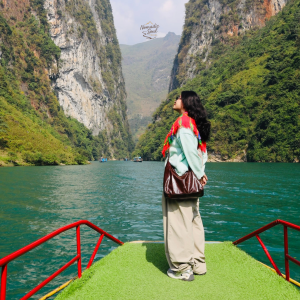
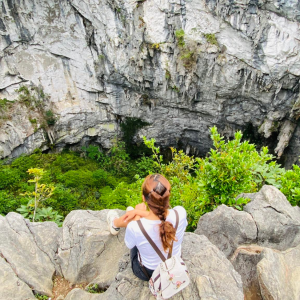
Perched high above the Mã Pì Lèng Pass and the emerald Nho Quế River, the White Cliff Trail (Vách Đá Trắng) is one of Hà Giang’s most breathtaking hidden experiences a secret ridge walk offering a bird’s-eye view over Vietnam’s deepest canyon. This trail is not just a hike it’s a meditation in motion, where every step unveils a new layer of Hà Giang’s majestic karst landscape. Far quieter than the famous viewpoints, White Cliff rewards those who venture beyond the crowd with silence, wind, and vastness the kind of beauty that makes you feel both small and infinite.
H’mong King’s Palace – Legacy of the Stone Plateau | Hà Giang
Hidden among limestone ridges and misty pines of the Đồng Văn Karst Plateau, the H’mong King’s Palace (Vua Mèo Palace) stands as a masterpiece of power, heritage, and mountain artistry.
Built in the early 20th century by Vương Chính Đức, the influential H’mong leader known as the “King of the H’mong,” this stone fortress once served as the political and cultural heart of the northern highlands. Today, the palace is not just a monument it is a time capsule preserving the story of a proud people who shaped the destiny of Hà Giang’s borderlands.
Lô Lô Chải Village – Beneath the Northern Flag | Hà Giang
At the foot of the Lũng Cú Flag Tower, where Vietnam’s red banner flutters against vast mountain skies, lies Lô Lô Chải Village — a timeless hamlet that embodies the spirit of Hà Giang’s northern frontier. Home to the Black Lô Lô ethnic group, this small yet vibrant community preserves a mosaic of traditional stilt houses, colorful embroidery, and ancestral rituals that have survived for centuries among the winds of the borderlands.
Here, between the echo of wooden looms and the smoke of kitchen fires, travelers discover not just a destination — but a living story of identity, belonging, and resilience.
Lũng Cú Flag Tower – The Northernmost Point of Vietnam | Hà Giang
Perched proudly atop Dragon Mountain (Long Sơn) at an altitude of nearly 1,700 meters, the Lũng Cú Flag Tower is more than just a landmark it’s a symbol of national pride and frontier spirit. From this sacred peak, a giant red flag with a golden star waves above the northern border, overlooking misty valleys and ancient villages of the Lô Lô and H’mong people.
A visit to Lũng Cú is not just a photo stop it’s a journey to the soul of Vietnam, where geography meets history, and patriotism meets peace.
Mèo Vạc Sinkhole – The Crater of Clouds and Stone | Hà Giang
Deep within the rugged limestone plateau of Mèo Vạc, a mysterious geological wonder lies hidden the Mèo Vạc Sinkhole (also known locally as Hố sụt Mèo Vạc). A vast, circular depression carved by millennia of natural erosion, it’s a sight that feels both prehistoric and otherworldly where clouds drift through sheer cliffs, and vegetation clings to impossible slopes.
This is one of Hà Giang’s least-visited natural marvels, known only to local guides and explorers. Standing at its rim, you don’t just look down into the earth you look back in time.
Sảo Há Ancient Village – “The Hidden Valley Above the Clouds” | Hà Giang
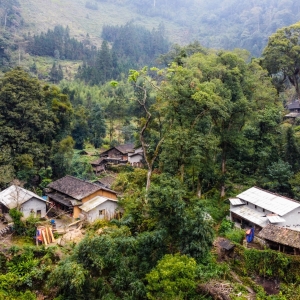
Tucked deep within the rugged Dong Van Karst Plateau, Sảo Há Ancient Village remains one of the most untouched H’mong settlements in northern Vietnam a place where time feels suspended between clouds, mist, and mountains. Known as “the hidden valley above the clouds”, it offers a rare glimpse into a Hà Giang that still lives in its original rhythm: earthen houses, wood-fire kitchens, and terraced fields cascading down steep hillsides. For travelers who crave authenticity and silence, Sảo Há is a world apart remote, cinematic, and deeply human.
Quản Bạ Heaven’s Gate & Fairy Twin Mountains – Gateway to the Highlands
Standing at the threshold of the Dong Van Karst Plateau, Quản Bạ Heaven’s Gate is where your Hà Giang adventure truly begins.
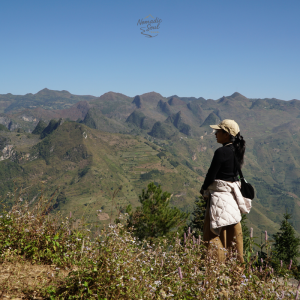
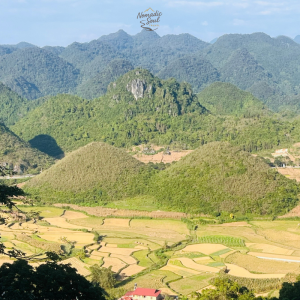
From an altitude of nearly 1,500 meters, this natural mountain pass opens up a panorama of rolling limestone peaks, mist-filled valleys, and the poetic Tam Sơn Town below.Just beyond lies the Fairy Twin Mountains (Núi Đôi Cô Tiên) two perfectly rounded hills rising side by side in the middle of rice fields, shrouded in local legend.
For travelers, this is more than a viewpoint it’s the symbolic gateway to Hà Giang’s mystical highlands.
Nia Đo Bamboo Grove – The Whispering Forest of Mèo Vạc | Hà Giang
Tucked away in the rugged limestone valleys of Mèo Vạc District, the Nia Đo Bamboo Grove is one of Hà Giang’s most poetic and little-known natural sanctuaries.
Amid towering cliffs and whispering winds, this pocket of emerald bamboo rises gently from the grey karst a rare contrast of softness and strength, where time seems to slow and nature breathes in silence. Walking through Nia Đo feels like entering another realm where sunlight filters through tall bamboo canopies, the earth smells of moss and dew, and every sound echoes tranquility. Few travelers ever find their way here, yet those who do often call it “the quiet heart of Hà Giang.”
Lao Xa Silversmith Village – The Timeless Craft in the Heart of the Stone Plateau | Hà Giang
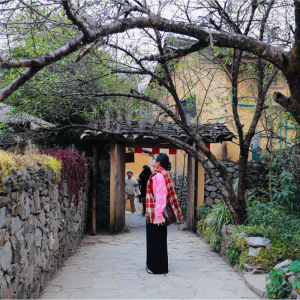
Perched high amid the rugged cliffs of Đồng Văn Karst Plateau, Lao Xa Village stands as a living museum of H’mong craftsmanship and resilience. Here, time seems to flow differently slower, softer as the echo of hammering silver mingles with mountain breeze.For centuries, Lao Xa has been home to generations of H’mong silversmiths, preserving a traditional jewelry making craft that once symbolized wealth, protection, and spiritual connection. Today, this hidden hamlet remains one of Hà Giang’s most authentic cultural enclaves, offering travelers a rare glimpse into mountain artistry untouched by modern haste.